What Qualifies as “Super Speeder” Criminal Speeding in Florida?
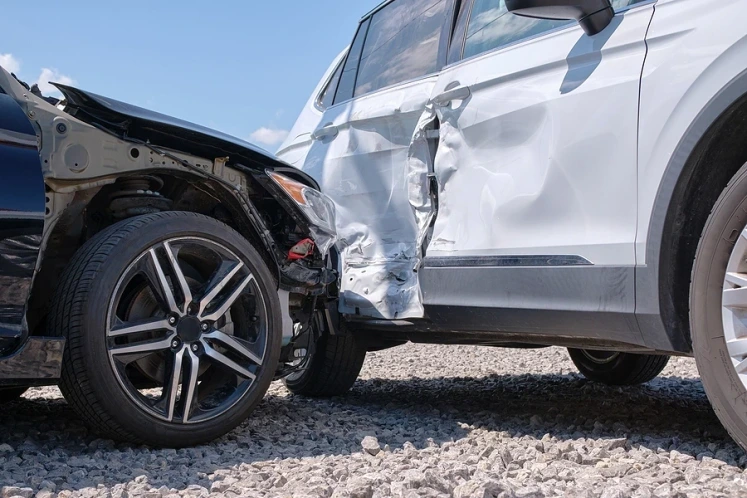
For years, most Florida drivers caught going far over the speed limit simply received a citation and paid a fine. That changed on July 1, 2025, when a new state law made certain extreme speeding a criminal offense rather than a routine civil infraction. The statute, commonly called the “super speeder” law, targets speeds that lawmakers viewed as a serious threat to everyone sharing the road. Because the consequences now extend well beyond a ticket, drivers facing this kind of allegation often benefit from learning how criminal speeding charges in Florida are handled before their first court date. This article explains what qualifies as dangerous excessive speeding, what penalties the law allows, and how these cases are typically built and challenged in Florida courts.
How Florida Defines Dangerous Excessive Speeding
The formal name for the offense is dangerous excessive speeding, and it is found in section 316.1922 of the Florida Statutes. The law describes two separate ways a driver can commit the offense, and prosecutors only need to prove one of them.
The 50 MPH Over the Limit Threshold
The first route applies when a driver exceeds the posted speed limit by 50 miles per hour or more. This prong focuses on the gap between the limit and the recorded speed, so the same conduct can qualify at very different absolute speeds depending on the road. A driver traveling 85 mph in a 35 mph zone meets this threshold, just as a driver traveling 120 mph on a highway posted at 70 mph does. Under this route, the speed itself is the central issue, and the state is not required to show that other vehicles were nearby or that anyone was placed in immediate danger.
The 100 MPH Threshold and the Manner of Driving
The second route applies when a driver travels at 100 mph or more in a manner that threatens the safety of other people or property, or that interferes with the operation of any vehicle. Unlike the first prong, speed alone is not enough here. Prosecutors generally need evidence about the surrounding circumstances, such as heavy traffic, lane changes, tailgating, or near collisions. This distinction means that two drivers recorded at the same speed may face very different legal positions depending on what was happening around them at the time.
Why the Charging Decision Can Vary
Reaching one of these thresholds does not automatically produce a criminal conviction. Florida’s traffic laws still treat ordinary speeding as a noncriminal infraction, and the way a case is initially written up can depend on the officer, the agency, and the facts observed at the scene. Some drivers may receive a notice to appear, while others may be taken into custody. The paperwork issued at the roadside is often the first clue about which path a case is likely to follow.
Penalties and Consequences of a Conviction
Because the statute authorizes jail time, a dangerous excessive speeding charge is resolved in court rather than paid through the mail or online. The penalties escalate with repeat offenses, and the effects of a conviction can reach into a person’s driving privileges and daily life.
Penalties for a First Conviction
Under the statute, a first conviction may be punished by up to 30 days of imprisonment, a fine of $500, or both. Judges have discretion within the statutory limits, and the actual outcome in any case depends on the specific facts, the driver’s history, and how the case is resolved. A first offense still results in a criminal record if it ends in a conviction, which is a significant difference from a traditional speeding ticket.
Repeat Convictions and License Revocation
A second or subsequent conviction may be punished by up to 90 days of imprisonment, a fine of $1,000, or both. If the later offense occurs within five years of a prior conviction under the same statute, the law requires revocation of the driver’s license for at least 180 days and up to one year.
Mandatory Court Appearance
Florida law requires a mandatory hearing for drivers cited for exceeding the speed limit by 50 mph or more. Missing a required court date can lead to additional problems, including a possible suspension of driving privileges or a warrant, depending on the circumstances.
How These Cases Are Built and Challenged
Dangerous excessive speeding cases usually turn on a small number of key facts, especially the recorded speed and the posted limit. Examining how that evidence was gathered is often a central part of evaluating a case.
Speed Measurement Evidence
Officers may measure speed using radar, laser devices, pacing with a patrol vehicle, or aircraft observation, depending on the agency and location. Each method has its own requirements for proper use, including calibration, testing, and operator training. Records showing when a device was last checked, how the officer was trained, and whether the target vehicle was clearly identified may all be relevant. When the measured speed sits close to a legal threshold, even a modest margin of error can make a meaningful difference.
The Posted Limit and Road Conditions
For the 50 mph prong, the posted speed limit at the exact location of the alleged offense matters a great deal. Speed limits can change within short distances, especially near interchanges, construction zones, and transitions between rural and urban areas. For the 100 mph prong, the state’s description of traffic conditions and driving behavior becomes important. Dash camera footage, body camera recordings, and the officer’s written report may confirm or contradict the claim that the driver threatened others.
How It Differs From Reckless Driving
Dangerous excessive speeding is a separate offense from reckless driving, although both may arise from the same stop. Reckless driving generally requires proof that a person drove with willful or wanton disregard for the safety of persons or property, which is a different standard from the speed-based test in the super speeder law. Depending on the facts, prosecutors may file one charge, the other, or both.
Taking the Next Step After a Super Speeder Charge
Florida’s dangerous excessive speeding law has turned what was once a costly ticket into a matter that can carry jail exposure, a criminal record, and possible license revocation. Our team at Kawecki Law includes criminal defense attorneys who handle super speeder charges, and we understand how quickly one traffic stop can disrupt a Florida driver’s work and family life. We know that every case is different, and the right approach depends on the evidence, the driver’s record, and the court involved. If you have been cited or arrested under this law, we encourage you to reach out to our team before your court date so we can review the details of your situation and help you understand the options that may be available to you.