Defense Tactics for Felony Offenses in Florida Criminal Courts
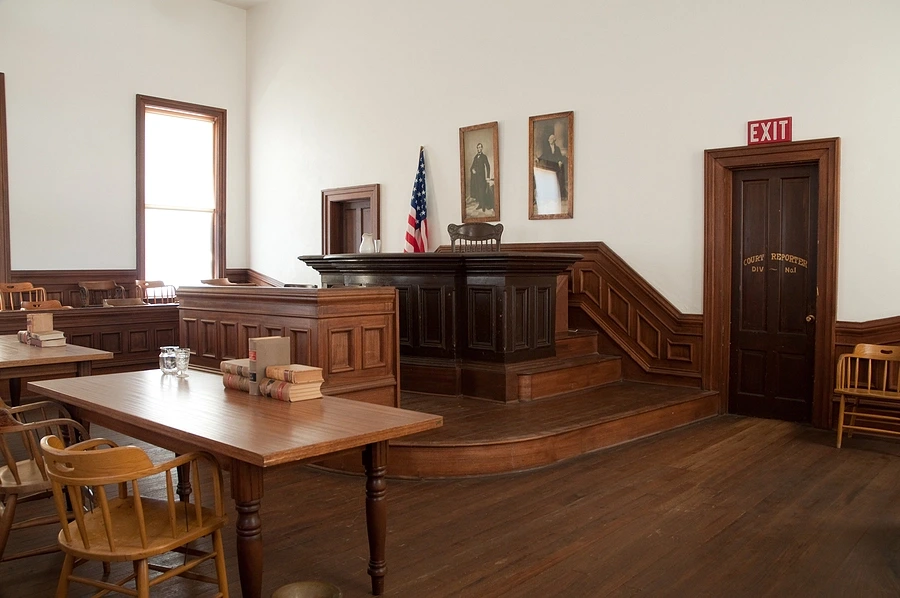
Facing a felony charge in Florida places a person in an extremely serious position within the criminal justice system. The penalties are harsher, the stakes are higher, and the legal process moves through procedures many defendants have never encountered. A felony conviction can reshape someone’s future, affecting employment, housing, financial stability, and personal relationships. Because of these consequences, a strategic defense is essential.
Building an effective felony defense does not rely on a single method. Each case has specific details that guide which strategies will have the strongest impact. Florida law outlines strict definitions for felony levels and sentencing structures, so a defense approach must fit both the facts and the legal standards. Experienced attorneys evaluate every angle to find weaknesses in the evidence, procedural errors, and opportunities for alternative outcomes.
Examining the Foundations of the Arrest and Investigation
Every felony case starts with an investigation, and that investigation must follow constitutional guidelines. When police overstep, evidence may be suppressed, which can weaken or even undermine the State’s case.
Defense lawyers often begin by reviewing how officers gathered information. If a search was conducted without a valid warrant or without a lawful exception to the warrant requirement, the evidence may be inadmissible. The same rule applies to statements given during an interrogation. If police ignored a request for an attorney or failed to issue required warnings, those statements may be challenged.
Witness statements create another area for examination. Stress, bias, poor lighting, or mistaken perception can all lead to unreliable accounts. An attorney will review every statement for inconsistencies or improper influence. Witness credibility often becomes a deciding factor in felony trials.
Challenging the Quality and Handling of Physical Evidence
Prosecutors rely heavily on physical evidence such as DNA, fingerprints, surveillance videos, and digital records. This evidence must be handled properly from the moment it is collected.
Issues with the chain of custody can damage the reliability of physical evidence. If documentation is incomplete or unclear, the defense may argue that contamination or tampering is possible.
Laboratory testing can also be challenged. Errors occur in both testing procedures and interpretation. Defense attorneys often consult independent experts to assess whether scientific standards were met. If the testing is flawed, the credibility of the evidence may collapse.
Digital evidence is another growing factor in felony cases. Text messages, phone logs, and electronic records can be taken out of context or collected without proper authorization. These issues can create strong grounds for challenges.
Identifying Violations of Constitutional Rights
Felony cases involve many procedural steps, and any violation of constitutional rights can give the defense leverage.
Illegal traffic stops, for example, often affect cases involving drugs, firearms, or DUI-related felonies. Officers must have reasonable suspicion before stopping a vehicle. Without it, any resulting evidence may be suppressed.
The right to counsel is another key area. If a defendant asks for a lawyer and police continue questioning, statements obtained afterward may be excluded. When this happens, the prosecution may lose essential pieces of its case.
Constitutional challenges also strengthen negotiations. Prosecutors recognize the risk of proceeding to trial with compromised evidence, which can lead to more favorable agreements for the defendant.
Establishing an Alternative Explanation or Lack of Intent
Many felony offenses require proof of intent. Without clear evidence that a defendant meant to commit a specific act, the prosecution’s case may weaken.
Defense lawyers may present evidence showing no motive or lack of awareness. For instance, theft and burglary cases often hinge on what the defendant intended to do. If prosecutors cannot establish intent, charges may be reduced or dismissed.
Alternative explanations are also powerful tools. When the State relies on circumstantial evidence, introducing another plausible scenario can create enough doubt to prevent a conviction.
Using Expert Testimony to Counter the Prosecution’s Claims
Expert witnesses play a critical role in complex felony cases. Their insights help jurors understand scientific, technical, or medical issues that may otherwise be unclear.
Medical experts may evaluate injuries in violent crime cases. Forensic specialists can scrutinize lab results. Financial experts may analyze documents in fraud or embezzlement cases. These experts often reveal weak points in the prosecution’s evidence or interpretation.
Mental health experts may also contribute when a defendant’s psychological condition is relevant. Their evaluations can support reduced charges or alternative sentencing options.
Exploring Charge Reductions and Diversion Programs
Not every felony case leads to trial. Florida offers programs and negotiated outcomes that may reduce penalties or help a defendant avoid a permanent conviction.
Pretrial intervention programs are available in some counties for specific non-violent felonies. Completion of these programs may result in dismissal. Eligibility is limited, but these opportunities are worth exploring early in the process.
Charge reductions are also common when the evidence is weak or when the defendant has no prior criminal history. Converting a felony to a misdemeanor can significantly reduce the long-term impact on a person’s life.
Negotiated outcomes provide a practical path for defendants seeking to minimize risks without going to trial.
Preparing for Trial When Necessary
If negotiations fail or the defendant chooses to proceed, trial preparation becomes the focus. This preparation involves reviewing evidence, crafting arguments, and anticipating the prosecution’s strategy.
Defense attorneys develop a clear theme for the case and structure their presentation around it. Cross-examination highlights inconsistencies and weak points in witness testimony. Expert testimony may be used to counter technical evidence.
The goal at trial is to create reasonable doubt. By showing gaps, unanswered questions, or inaccuracies in the State’s case, the defense strengthens the argument that a conviction is not justified.
Conclusion
Every felony case is unique. Small details can change the trajectory of an entire case. That is why individualized defense strategies are essential in Florida’s felony system.
A tailored approach considers the facts, the evidence, and the defendant’s circumstances. It also considers the judge, the prosecutor, and the county where the case is being handled. Personalized strategies give defendants the strongest opportunity to protect their rights and their future.