Building a Defense for Reckless Driving Charges in Florida
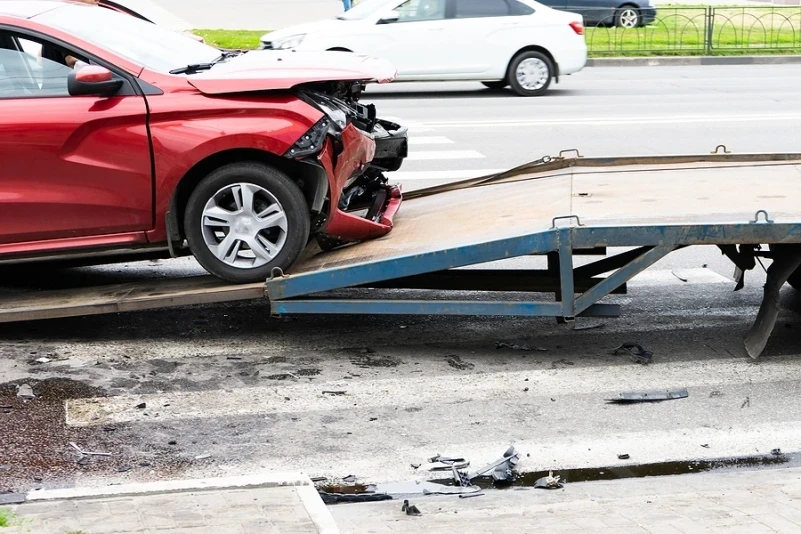
A reckless driving charge in Florida can arise from many different situations, including excessive speed, aggressive lane changes, passing other vehicles, or driving in a way that a law enforcement officer believes endangers people or property. However, receiving a citation or being arrested does not automatically mean the State can prove reckless driving beyond a reasonable doubt.
Florida law requires more than evidence that a driver made a mistake or failed to exercise ordinary care. The prosecution generally must establish that the driver operated a vehicle with a willful or wanton disregard for the safety of people or property.
Because the circumstances surrounding each traffic stop or crash are different, building a defense requires a close examination of the evidence and the specific conduct alleged.
Understanding What Florida Considers Reckless Driving
Under Florida Statute 316.192, a person commits reckless driving when they drive a vehicle in willful or wanton disregard for the safety of persons or property. The statute also specifically provides that fleeing a law enforcement officer in a motor vehicle constitutes reckless driving per se.
The terms “willful” and “wanton” have specific legal significance. Florida courts have explained that willful conduct is intentional, knowing, and purposeful. Wanton conduct involves conscious and intentional indifference to the consequences, with knowledge that damage is likely to occur to people or property.
That distinction matters. A driver can be careless without necessarily being reckless under the criminal statute. Florida courts have recognized that the State must prove conduct beyond a mere failure to use ordinary care.
Examining the Officer’s Account
The arresting officer’s observations may be central to the prosecution’s case. A defense attorney can examine exactly what the officer saw, how long the officer observed the vehicle, and whether the surrounding circumstances support the conclusion that the driving was reckless.
For example, an officer may report that a driver was traveling at an excessive speed. That does not necessarily answer every question about the circumstances. Where was the vehicle traveling? What were the traffic and weather conditions? Were pedestrians or other vehicles nearby? How long did the alleged conduct continue?
Speed can be important evidence, but courts have considered the surrounding circumstances when deciding whether conduct rises to the level of reckless driving. In some cases, grossly excessive speed combined with the location and conditions may support a conviction. In others, the evidence may amount only to careless driving.
A defense may therefore involve challenging assumptions in the officer’s account rather than simply disputing that the vehicle was moving quickly.
Challenging the Evidence of Intent and Disregard
One of the most important issues in a reckless driving case is whether the evidence actually demonstrates the required disregard for safety.
The State does not have to prove that the driver intended to injure someone. Instead, the evidence must show intentional conduct demonstrating a conscious disregard of a likelihood of death or injury. Florida appellate courts have repeatedly emphasized this distinction.
A defense attorney may look for evidence showing that the driver’s conduct was the result of an isolated mistake, misunderstanding, sudden circumstance, or ordinary driving error rather than a conscious disregard for safety.
For example, losing control while attempting to avoid another vehicle could raise very different issues from deliberately driving through heavy traffic at an extreme speed. The details matter. Florida courts have recognized that whether conduct is negligent or reckless depends on the particular facts of the case.
Reviewing Video and Other Physical Evidence
Modern traffic cases often involve more evidence than an officer’s written report. Dashcam footage, body camera recordings, surveillance video, photographs, vehicle data, traffic signals, GPS information, and witness statements may all provide useful information.
Video can sometimes clarify questions that are difficult to resolve from a report alone. It may show traffic density, the position of vehicles, the timing of lane changes, road conditions, or what happened immediately before and after the alleged violation.
Other evidence can also be important. If the charge arose from a collision, photographs of the vehicles and roadway may help establish how the crash occurred. Witness accounts can be compared with the officer’s description. If speed is disputed, available evidence concerning the method used to estimate or measure speed may warrant examination.
A thorough defense does not simply accept the first version of events. It considers whether the available evidence supports the State’s interpretation.
Considering Whether a Crash Changes the Charge
A reckless driving allegation can become more serious when the alleged conduct causes damage or injury.
Under Florida law, reckless driving that causes damage to the property or person of another is a first-degree misdemeanor. If reckless driving causes serious bodily injury to another person, the offense can become a third-degree felony. The statute defines serious bodily injury as a physical condition creating a substantial risk of death, serious personal disfigurement, or protracted loss or impairment of the function of a bodily member or organ.
This makes it particularly important to examine causation as well as the underlying driving conduct. The prosecution must connect the alleged reckless operation of the vehicle to the resulting damage or injury.
The consequences can extend beyond the criminal classification. A reckless driving conviction also carries points under Florida’s driver’s license point system. Florida currently assigns four points for a reckless driving conviction.
Looking at the Exact Charge and Available Defenses
A defense begins with understanding precisely what the State has alleged. The charging document, citation, arrest report, witness statements, video, photographs, and other evidence should be reviewed together rather than separately.
There may be questions about whether the alleged conduct satisfies every element of the offense. Florida courts have emphasized that driving is an essential element of the statutory offense, and the State must prove the applicable elements beyond a reasonable doubt.
Depending on the circumstances, a defense strategy might involve challenging the sufficiency of the evidence, disputing the officer’s observations, presenting contradictory witness testimony, challenging the accuracy of speed estimates, or demonstrating that the conduct does not meet the legal standard for willful or wanton disregard.
In some cases, the appropriate strategy may instead involve negotiating a resolution that reduces the potential consequences. Whether that is appropriate depends on the facts, prior record, strength of the evidence, and the client’s objectives.
Understanding the Potential Penalties
The penalties for a standard reckless driving conviction can vary depending on whether it is a first or subsequent conviction and whether the driving caused damage or serious bodily injury.
For a first conviction that does not fall within the enhanced circumstances, Florida law allows up to 90 days of imprisonment, a fine of $25 to $500, or both. A second or subsequent conviction can result in up to six months of imprisonment, a fine of $50 to $1,000, or both. Additional penalties can apply when the offense involves damage or serious bodily injury.
These potential consequences make it important not to treat a reckless driving charge as an ordinary traffic ticket. A criminal conviction can affect a person’s driving record and may have other consequences depending on the circumstances.
Building a Defense Starts With the Facts
There is no single defense that applies to every reckless driving case in Florida. The strongest approach depends on what happened, what the officer observed, what the available evidence shows, and whether the State can prove each required element of the offense.
A Florida criminal defense lawyer can review the circumstances surrounding the stop, citation, arrest, or crash and identify potential weaknesses in the prosecution’s case. That may include examining whether the alleged conduct was actually reckless under Florida law or whether the evidence demonstrates something less serious, such as ordinary carelessness or a traffic violation.
If you are facing reckless driving charges, understanding the allegations and potential consequences early can help you make informed decisions about how to respond.